
Running a small business is tough. Between taking care of your clients, managing daily operations, and trying to grow, there never seems to be enough hours in the day. Sadly, a lot of that precious time gets swallowed up by repetitive back-office tasks.
That is exactly why so many small business owners are turning to data entry outsourcing. It is no longer just a cheap trick to save a few bucks—it is a smart, strategic move.
Every day, thousands of business owners hand over their data tasks to specialist teams. By doing this, they get back their most valuable asset: time. Let’s look at why this is happening, how it can help you, and how to know if your business is ready for the switch.
What Exactly is Data Entry Outsourcing?
Simply put, it means hiring an outside team to handle, organize, and update your business information instead of doing it yourself or paying full-time staff to do it.
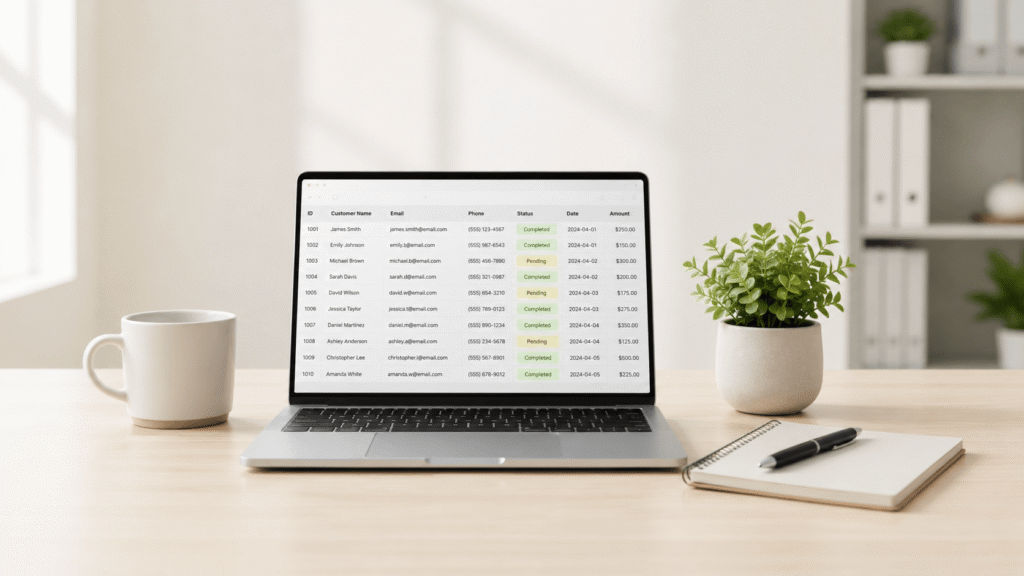
Most DATA ENTRY SERVICES for small businesses can easily take care of:
- CRM and Customer Lists: Keeping your client contact info fresh and organized.
- Invoices and Billing: Processing receipts and managing payment data.
- E-commerce Products: Uploading new items, descriptions, and prices to your online store.
- Going Paperless: Turning physical forms and documents into clean digital files.
- Spreadsheets: Managing formulas, tracking lists, and typing data into Excel or Google Sheets.
- Forms and Surveys: Organizing customer feedback and research forms.
No matter what industry you are in—whether it’s retail, real estate, healthcare, or digital media—there is a data help desk out there that fits your workflow.
The Biggest Benefits for Your Business
Here is why data entry outsourcing is a great way to grow your business, rather than just a quick fix for a busy week.
1. You Get Your Time Back
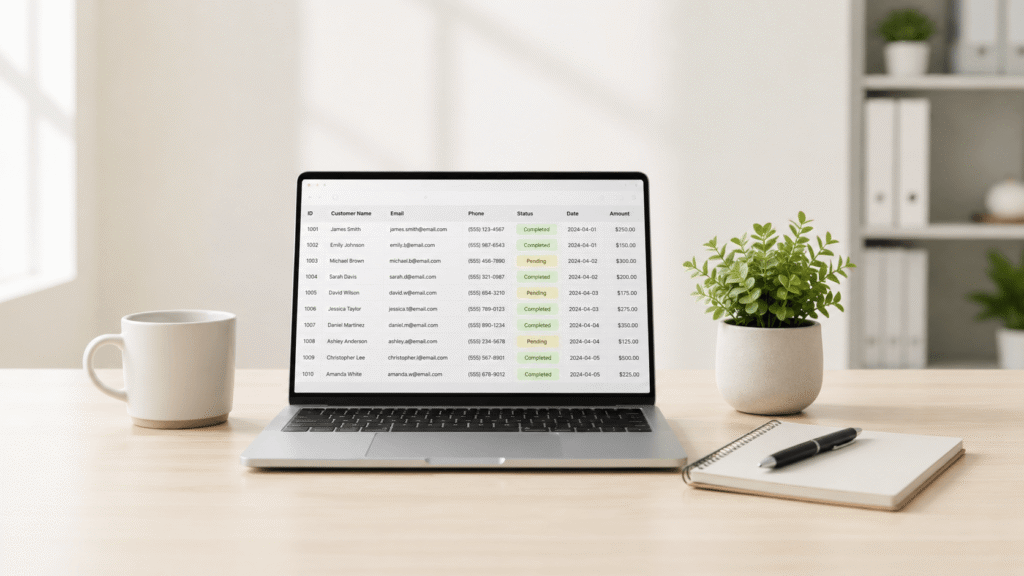
The best reason to outsource is to clear your schedule. When your main team stops typing numbers into spreadsheets all day, they can focus on what actually makes money: closing sales, building customer relationships, and planning your next big move. Many business owners save up to 30 hours a week this way.
[Learn more about how to boost your team’s productivity here.]
2. You Save a Ton of Money
Hiring a full-time, in-house employee is expensive. You have to pay a regular salary, benefits, office space, and training costs. When you outsource, you only pay for the exact work you need, when you need it. This can cut your data processing costs by up to 50%, making your monthly budget much more predictable.
3. Your Data Becomes Way More Accurate
Mistakes happen, but in business, a wrong address or a bad billing number can ruin a customer’s trust. Professional data entry companies use double-check systems and special software to hit 99% accuracy rates. Regular employees who are busy multitasking just can’t match that level of focus.
4. You Can Scale Up or Down Instantly
Got a holiday rush, a new product launch, or a sudden burst of new clients? Your data workload can triple overnight. With an outsourcing partner, you can add extra help within a few days. Once the busy season passes, you can scale back down—no hiring stress, no layoffs, and no wasted payroll.
5. You Get Access to Pro Tools
Good data firms don’t just bring extra hands; they bring the best technology. They use advanced scanning software, secure cloud storage, and automated tools that would cost a small business thousands of dollars to buy on their own.
Accessing enterprise-grade capability without the high cost is a massive win, and it shows why the demand for data entry outsourcing keeps growing.
Signs Your Business is Ready for Help
Not sure if it’s the right time to hand over the reins? If you recognize two or more of these warning signs, it is probably time to outsource:
- Your team is regularly working overtime just to type in data.
- Simple typos are starting to hurt your customer service or shipping.
- You are turning down new clients because your back-office can’t keep up.
- Important data projects keep getting pushed to the next week.
- You need extra help but can’t afford a full-time local hire right now.
How to Choose the Perfect Partner
When you start looking for a reliable data entry outsourcing provider, keep these quick tips in mind:
- Look for Experience: Choose a team that already understands your industry. They will need less training and make fewer mistakes.
- Ask for Proof of Accuracy: Good firms are proud of their work and will happily show you their accuracy scores.
- Check the Pricing: Make sure they offer flexible hourly or project-based rates that fit your actual budget.
- Prioritize Security: Ensure they sign Non-Disclosure Agreements (NDAs) and use secure, encrypted folders to protect your data.
Confirm NDA policies, encryption standards, and certifications such as ISO 27001 or [GDPR compliance].
- Ask for a Test Run: A great partner will always let you try them out with a small test project before you sign a long-term deal.
Final Thoughts
Investing in data entry outsourcing isn’t just about saving money—it’s about building a smoother, faster business. Outsourcing your data entry isn’t just about saving money—it’s about building a smoother, faster business. It frees up your team to do what they do best, keeps your records clean, and lets you grow without hitting an invisible wall.
If you are tired of letting manual paperwork slow you down, take the first step today. Find a trusted partner, start with a small test project, and see the difference for yourself..
Frequently Asked Questions (FAQ)
Q1: Is outsourcing okay for very small businesses or startups?
A: Absolutely! Startups actually benefit the most because their teams are so small. You don’t need a massive contract. Most providers offer flexible, pay-as-you-go plans that fit a solo entrepreneur’s budget.
Q2: How much does it cost?
A: Prices usually range from $5 to $20 per hour depending on how complex the work is. When you skip the cost of employee benefits, office space, and training, it usually saves you 40% to 60% compared to hiring internally.
Q3: Is my business data safe?
A: Yes, as long as you hire a reputable team. Always ask for a signed NDA (Non-Disclosure Agreement) and check if they use secure file transfers and comply with data safety laws like GDPR or ISO standards.
Q4: How fast can a provider start working?
A: Most established teams can get started within 24 to 72 hours. All they need are your instructions, a sample format, and access to the data, and they are ready to go.
Q5: What kind of tasks can I hand off?
A: Pretty much any repetitive task that involves typing, copying, or organizing information. If it can be done on a computer with a clear set of rules, it can be outsourced.
Q6: How do I actually get started?
A: It’s easy. Make a list of the tasks that take up too much of your time. Reach out to two or three providers, compare their rates, and give them a tiny trial project. Once you see they do a great job, you can hand over the rest!